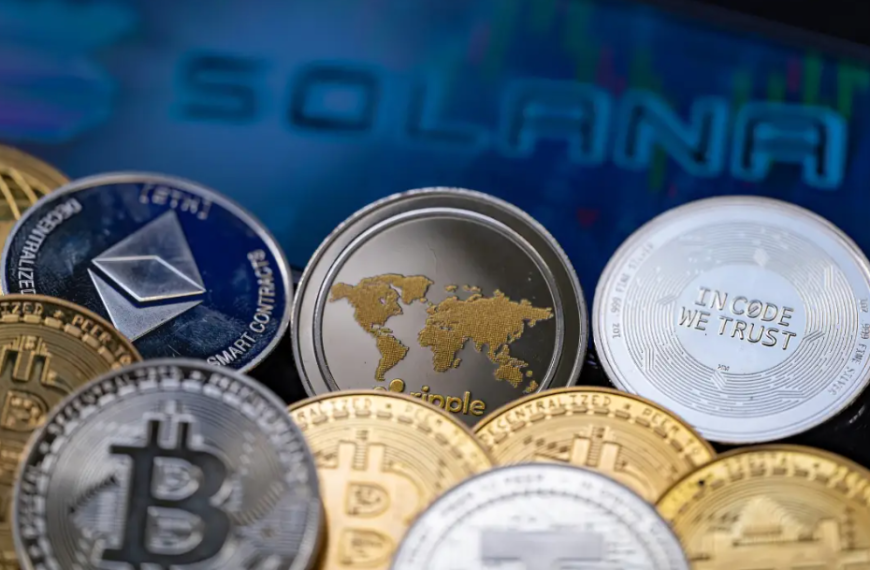

Bitcoin is a decentralized digital money system that lets people send value directly without banks. Transactions are recorded on a global ledger called the blockchain, maintained by a network of computers. Miners secure new blocks through consensus, enforcing rules and creating limited supply. The result is transparent, scarce, and versatile for cross-border transfers. The details matter: how wallets, keys, and fees shape everyday use—and what that implies for anyone considering exposure or practical currency choices.
The Big Idea: What Bitcoin Actually Is
Bitcoin is a decentralized digital currency that operates without a central authority. The big idea centers on a peer to peer network that records value transfers openly and securely. It embodies Bitcoin basics: digital scarcity, cryptography, and verifiable history. Users participate as independent actors, maintaining balance and trust through distributed consensus rather than intermediaries, enabling voluntary, freedom‑driven exchange.
See also: HealthTech Driving Medical Innovation
How Transactions Move: From Wallet to Wallet
Funds move through a Bitcoin transaction by passing digital value from one wallet to another via a network of nodes that validate and record the transfer.
Transactions originate when a user signs with private keys, then propagate through the peer network, awaiting confirmation.
Wallet security and transaction fees influence speed and cost, shaping user experience without compromising core freedom.
Why It’s Scarce and Secure: Blockchain, Mining, and Trust
The system that underpins scarcity and security in Bitcoin rests on three pillars: the blockchain, the mining process, and collective trust.
Scarcity mechanisms emerge from capped supply and predictable issuance, while security guarantees stem from cryptographic proofs, consensus rules, and distributed validation.
Together, these elements deter manipulation, ensure tamper resistance, and preserve a transparent, resilient network for freedom-oriented participation.
How Bitcoin Actually Affects You: Everyday Uses and Practical Takeaways
For many people, everyday life is touched by Bitcoin more than they realize, through faster international transfers, lower-cost remittances, and optional diversification of holdings. This section analyzes practical impact with a detached lens: frictionless wallets streamline payments and budgeting, while merchant adoption gradually broadens usable contexts. Benefits hinge on accessibility and security, guiding informed choices about participation, costs, and freedom-oriented financial autonomy.
Frequently Asked Questions
Is Bitcoin a Physical Currency I Can Hold?
No, it is not a physical currency to hold. It exists digitally; private keys secure ownership. It raises privacy concerns, with storage options and physical security considerations; anonymous transactions are possible, but traceable through careful, disciplined practices.
Can I Use Bitcoin Anonymously for Purchases?
“Where there’s a will, there’s a way,” notes the analysis: can one use bitcoin anonymously for purchases? It implies some anonymous spending is possible, yet privacy trade offs exist; careful practices affect freedom and risk levels.
How Do Bitcoin Prices Affect My Daily Budget?
Bitcoin prices influence daily budgeting: price volatility creates budgeting impact, as value swings alter consumer spending and currency substitution decisions, shaping how cash flows are allocated. The detached reader notes risk, opportunity, and the freedom to adapt spending.
What Happens if I Lose My Bitcoin Wallet?
If a user loses a bitcoin wallet, the outcome depends on backups and recovery options. Lost wallet security concerns arise, but recovery options exist through seed phrases or trusted custodians; without them, access and funds may be irretrievable.
Will Bitcoin Replace National Currencies Someday?
“Every coin has two sides.” Bitcoin adoption will challenge monetary sovereignty, as central bank competition shapes policy, while global acceptance grows; however, full replacement of national currencies remains uncertain, reflecting gradual, uneven shifts rather than a guaranteed outcome.
Conclusion
Bitcoin is a decentralized digital currency that moves value directly between wallets, secured by a global network and a capped supply. Its blockchain ensures transparency and verification, while mining underpins trust and security. For everyday users, it can enable faster, cheaper transfers and optional diversification. Objection: volatility undermines reliability. Reality: gradual adoption, robust risk awareness, and careful allocation can harness its potential without surrendering financial prudence. Ultimately, Bitcoin offers a programmable form of trust that, with discipline, improves cross-border and digital payments.


 By
By