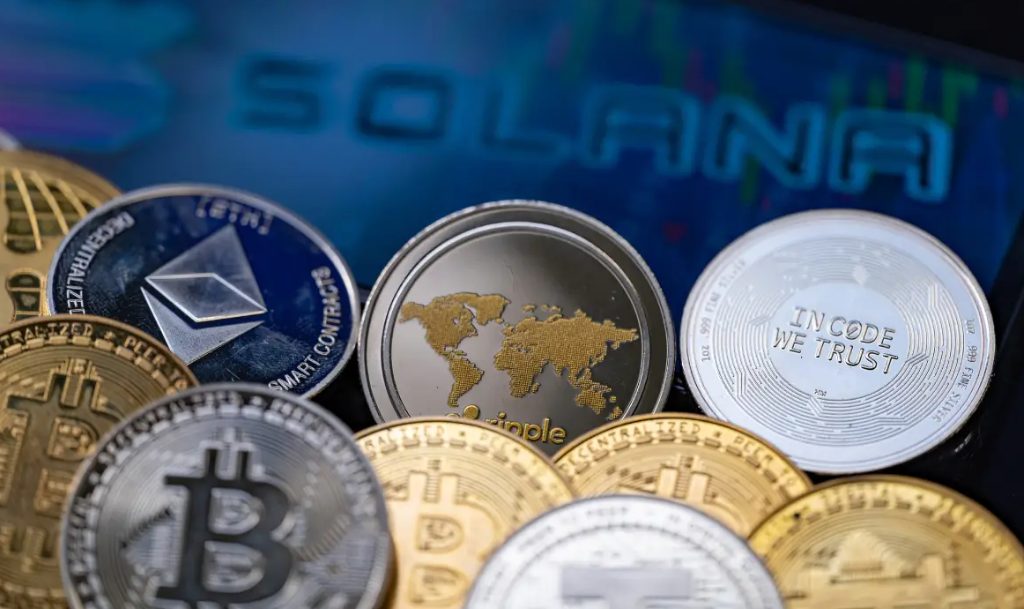

Best crypto staking platforms combine reliability, transparency, and auditable governance with clear performance metrics and risk controls. Evaluations focus on uptime, validator diversity, fee structure, and asset coverage. Security audits, incident reports, and measurable APYs underpin accountability. The strongest options balance predictable rewards with prudent risk management and robust protections. For stakeholders seeking verifiable sustainability and cost-reward clarity, the landscape presents both rigor and tradeoffs, inviting further scrutiny of how each platform stacks up.
What Makes a Great Crypto Staking Platform
A great crypto staking platform demonstrates reliability, transparency, and efficiency across several core dimensions.
The evaluation centers on process integrity, verifiable performance metrics, and risk controls.
Security audits confirm code soundness, while governance rights indicate stakeholder influence and accountability.
Data-driven benchmarks reveal uptime, validator diversity, and fee structures, enabling informed choice.
Freedom-minded users favor platforms with auditable practices and clear, measurable outcomes.
See also: HealthTech Driving Medical Innovation
Top Platforms by Reliability and Security
The analysis shifts to evaluating reliability and security across leading staking platforms, prioritizing verifiable uptime, robust custody, and mature risk controls. Data indicate varied incident histories, with standout tracks in staking liquidity and operational transparency. Cross-platform comparisons emphasize validator redundancy, governance maturity, and incident response.
Comparing Fees, Rewards, and Asset Coverage
Across leading staking platforms, fees, rewards, and asset coverage vary notably, necessitating direct comparison of cost structures, APYs, and safety nets to gauge net value.
The analysis highlights staking rewards versus withdrawal fees, evaluates platform liquidity during spikes, and maps asset coverage to risk tiers.
Conclusions emphasize transparent fee schedules, measurable APYs, and robust, auditable protections for user assets.
How to Choose the Right Platform for You
Determining the right staking platform hinges on aligning cost structures, risk protection, and liquidity with individual goals, since effective choices depend on quantified tradeoffs rather than generalizations.
The decision process compares risk vs reward profiles, liquidity terms, and lockup options.
Evaluations balance user experience vs control, transparency, and security, ensuring cost realism and defensible assumptions for a freedom-oriented investor.
Frequently Asked Questions
What Tax Implications Come With Staking Rewards Across Jurisdictions?
Tax implications vary: staking rewards may be taxable as income or capital gains depending on jurisdiction; crypto taxation rules differ, influencing timing and rate. Cross border compliance requires reporting obligations, withholding, and foreign asset disclosure considerations.
How Does Platform Voting Power Affect Governance Participation?
Platform governance dynamics hinge on how voting power distribution shapes turnout and influence; higher concentration skews outcomes, while broader dispersion fosters participation. Data suggests proportional voting power correlates with stakeholder engagement and checks centralized decision-making in decentralized ecosystems.
Are There Custodial Vs Non-Custodial Staking Options Available?
Custodial vs non custodial options exist: custodial stores keys for users, offering ease but centralized risk; non custodial options require self custody, enabling control and privacy, yet demanding diligence, security practices, and potential liquidity trade-offs for governance participation.
What Happens to Staked Assets During Platform Downtime or Forks?
During downtime or forks, staked assets face liquidity risk and potential temporary withdrawal constraints, while stake scaling pressures may affect reward continuity; governance and protocol rules determine recoveries, mitigations, and re-staking timelines in a data-driven, freedom-seeking analysis.
Can Staking Rewards Be Withdrawn Immediately or Reinvested Automatically?
Staking rewards are not universally withdrawable immediately; many platforms impose lockups or cooldown periods. Automatic reinvestment is optional or configurable on some networks. Platform downtime can delay reward accrual and withdrawal, introducing temporary liquidity constraints.
Conclusion
A data-driven assessment shows reliable staking platforms balance uptime, diversified validator sets, auditable fee structures, and transparent governance with meaningful asset coverage. Security audits, incident reporting, and mature risk controls bolster resilience, while auditable performance metrics enable measurable APYs and predictable outcomes. For risk-aware investors, governance rights and clear cost-reward tradeoffs matter most. In the end, the strongest options align regulatory clarity, robust protections, and transparent incident histories—much like a 15th-century alchemist’s ledger, but with modern cryptographic assurances.


 By
By


 By
By